
Most gluten free restaurant guides are lists. This one is a warning label with a short list attached, because the honest answer about gluten at Panda Express is harder than the search results suggest.
Gluten free Panda Express orders barely exist on paper: the published allergen data flags wheat on nearly every food item in the store, including dishes that look innocent. This guide goes through what the flags actually say, why the wok makes everything complicated, and what the workable moves are for someone avoiding gluten by preference rather than necessity. The full nine allergen matrix lives on the nutrition calculator homepage.
If you have celiac disease, the summary comes first: this kitchen is a difficult place for you, and this guide will not pretend otherwise.
Prices and Calories in This Guide
| Item | Price | Calories | Protein | Total fat | Sodium |
|---|---|---|---|---|---|
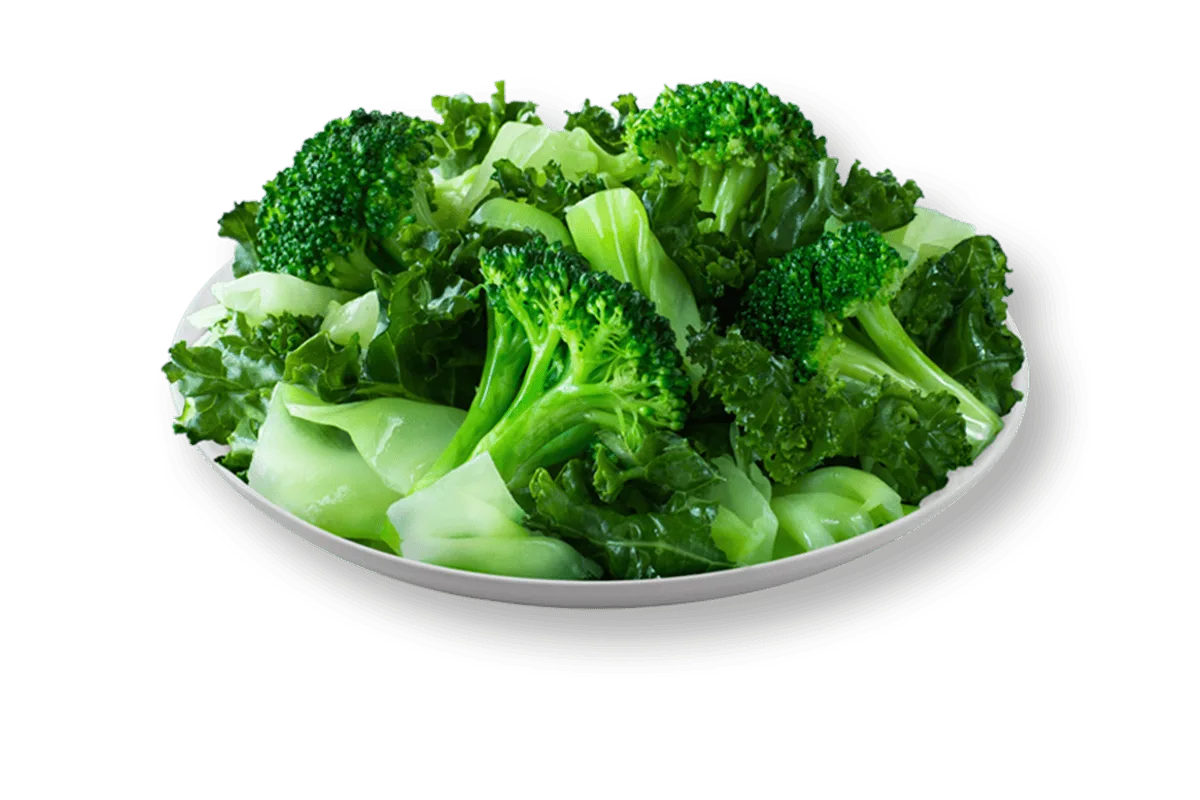
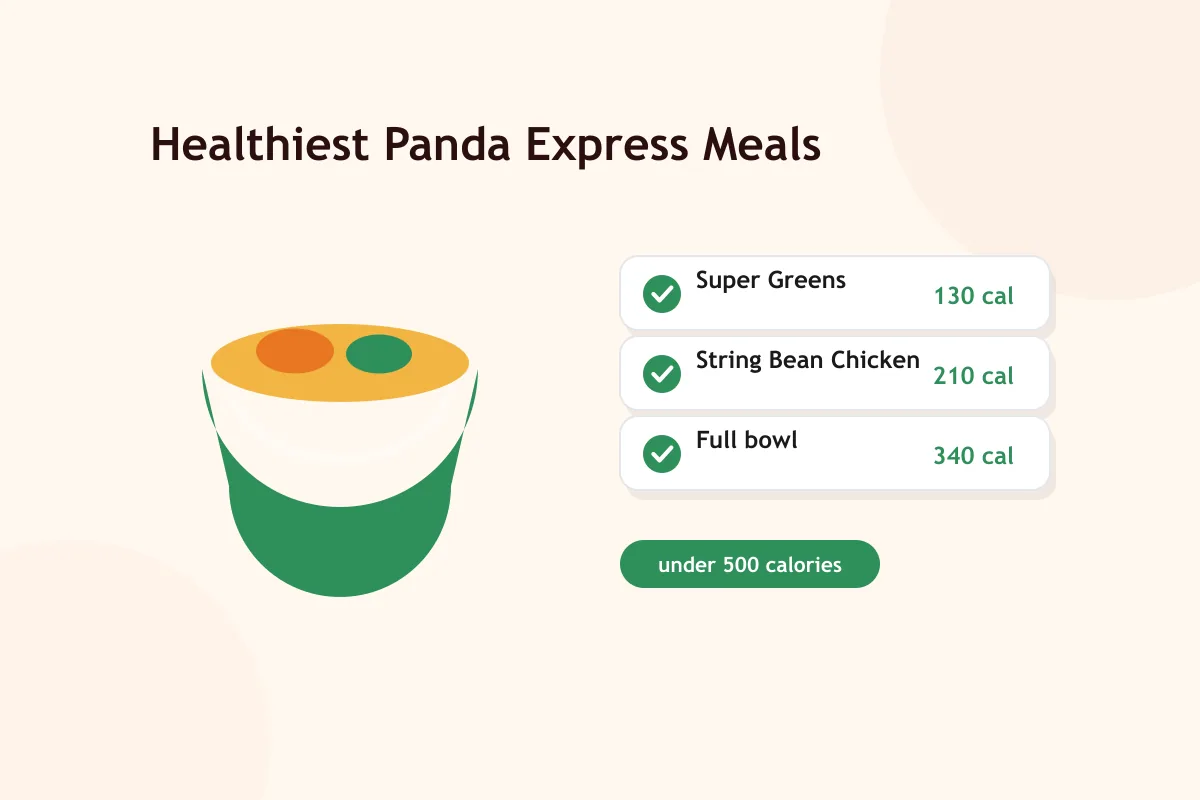
| Super Greens | from $4.60 | 130 | 9 g | 4 g | 370 mg |
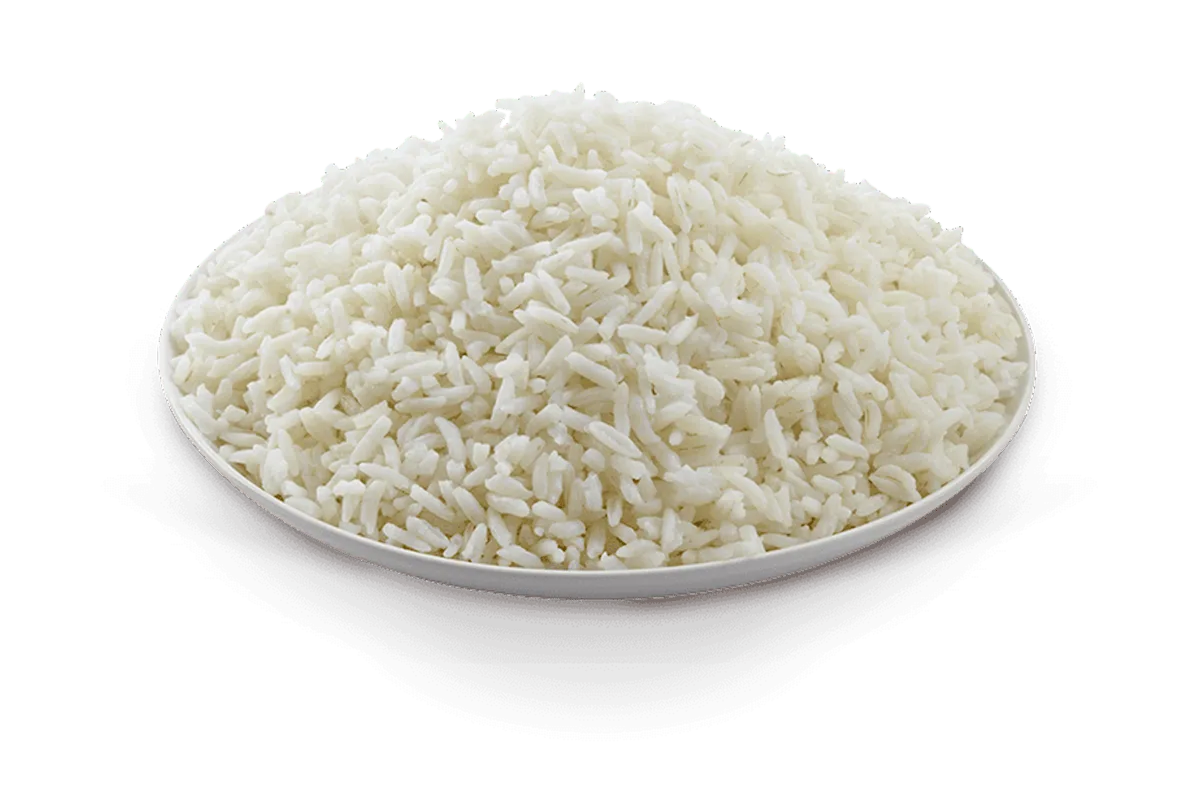
| White Steamed Rice | from $4.60 | 520 | 10 g | 0 g | 0 mg |
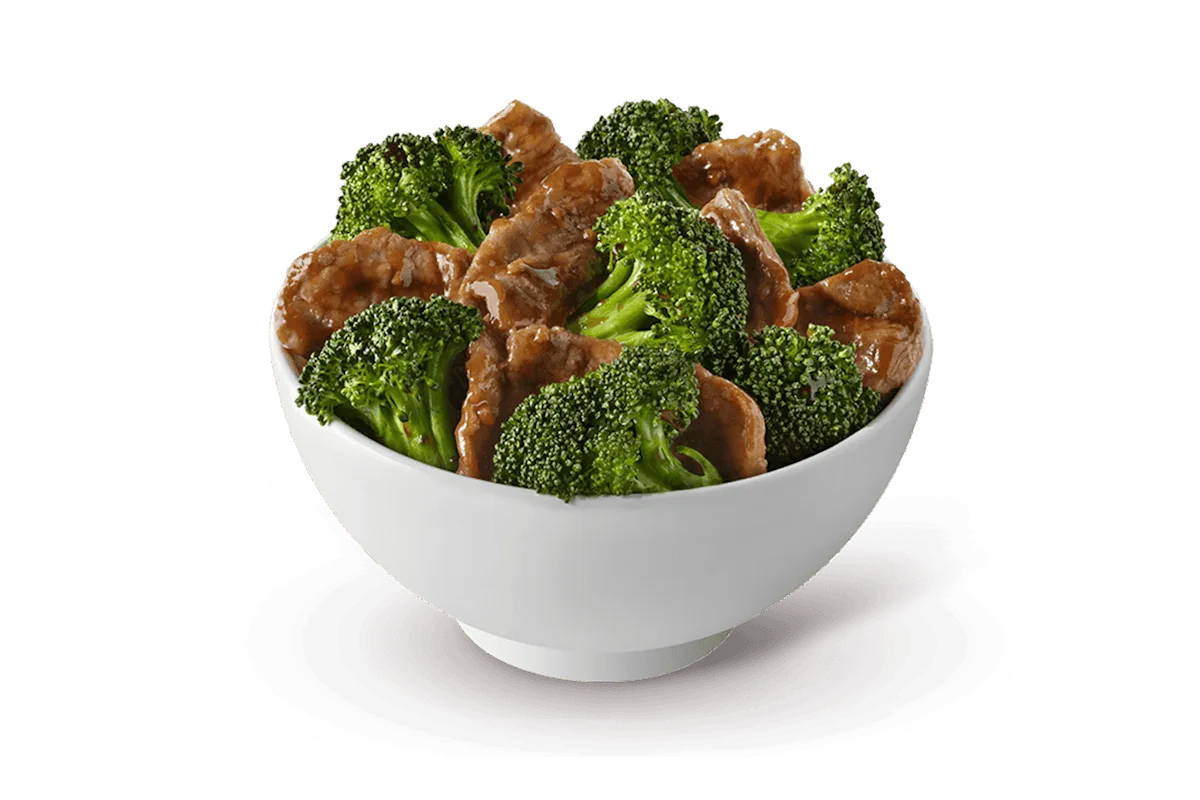
| Broccoli Beef | · | 150 | 15 g | 6 g | 520 mg |
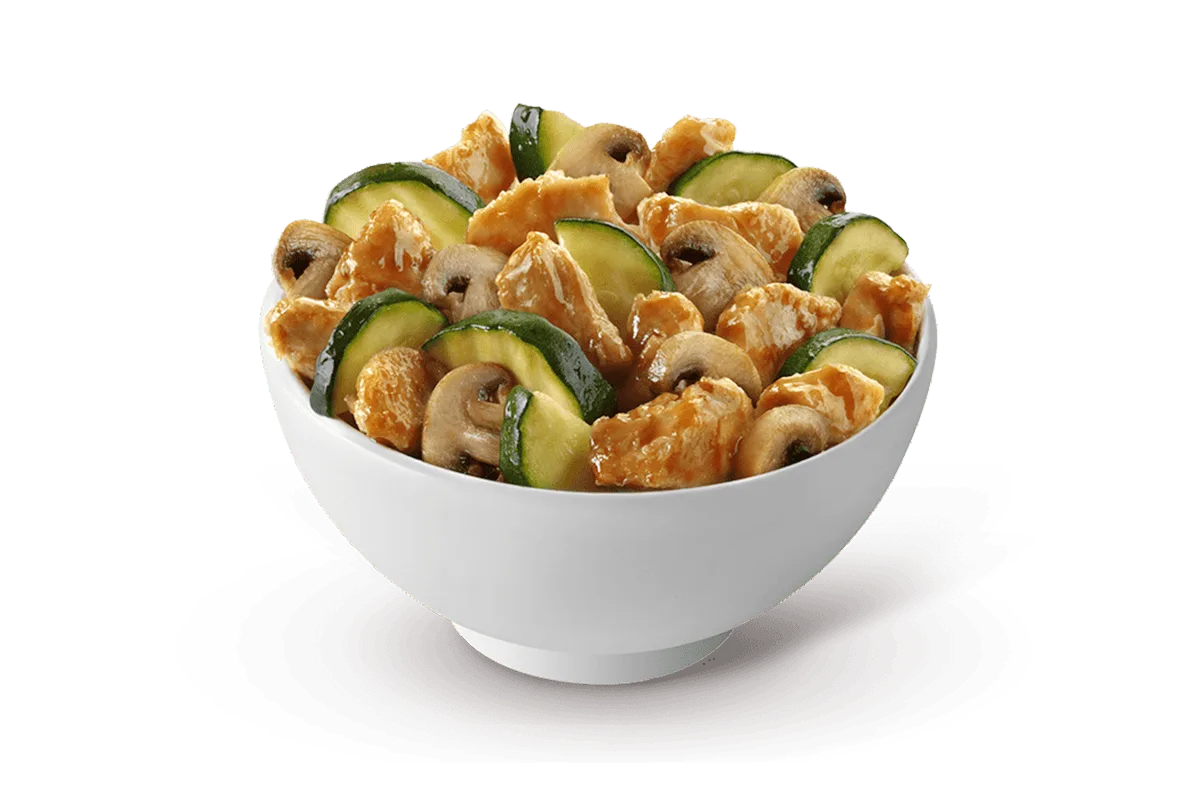
| Mushroom Chicken | · | 220 | 13 g | 14 g | 840 mg |
What the Allergen Data Actually Shows
The published panel tracks nine allergens across every national food item, and wheat appears on almost all of them. Orange Chicken carries it in the batter. Chow Mein is wheat noodles outright. The surprises are the dishes with no visible bread anywhere: Super Greens flags wheat and soy, Broccoli Beef flags wheat, and even String Bean Chicken Breast, the lightest grilled pick in the store, carries the flag.
The reason is one ingredient deep. Standard soy sauce is brewed from wheat, and soy sauce is the backbone of nearly every wok sauce in the building. Where the sauce goes, the wheat flag follows, and the sauce goes almost everywhere.
The Short List That Remains
Strip the menu to items with no wheat flag and the food side collapses to one: White Steamed Rice, at 520 calories per serving. A few table items join it, including sweet and sour sauce, chili sauce and hot mustard, plus most of the drink cooler. That is the entire printed gluten free menu, and no amount of optimistic blogging changes it.
Why Cross Contact Makes It Harder Still
Even the rice shares a kitchen with flour dusted batters and a service line where scoops travel between trays. Woks are rinsed between dishes, not sterilized, and fryer oil is shared. For a wheat allergy or celiac disease, the published flags are only half the risk: the environment supplies the rest. The brand itself points allergy customers to its own allergen statement rather than promising a clean preparation path, and that caution is the correct read.
What Gluten Avoiders Actually Order
People trimming gluten by choice rather than prescription tend to build around the rice: white rice under Grilled Teriyaki Chicken with the teriyaki sauce skipped, or under Wok Fired Shrimp, accepting the sauce residue the flags describe. That is a personal risk call, not a gluten free meal, and the difference matters. The item pages carry every flag so the call is at least an informed one.
How Other Chains Compare
Chipotle runs a mostly gluten free line by default, and grilled chicken places manage cleaner separation because nothing on the grill is battered. A wok kitchen with a shared sauce base is structurally the hardest format for this diet. The real gluten free decision here is the restaurant itself, more than the dish.
Questions to Ask at the Store
When the answer has to be right, three questions settle it at the counter. Ask for the current allergen statement, since recipes shift and the printed sheet at the store is the live document. Ask which items went through the shared fryer today, because regional items rotate through the same oil. Ask for a fresh pan portion where the store offers it; some locations will cook a batch to order during slow hours, which removes the serving line from the equation even though the wok remains shared.
Staff answer honestly in my experience, and the stores would rather lose an order than cause a reaction. The weak point is never the people; it is the format of the kitchen itself.
Better Orders for Mixed Groups
The common real situation is one gluten avoiding person inside a group that wants the classics. The play that works: the group orders normally, the gluten avoider builds white rice with Wok Fired Shrimp or plain Grilled Teriyaki Chicken, and everyone shares a table instead of a menu. A $8.50 Bowl keeps the cost identical to everyone else's order. The full menu flags every item, so the safe list travels with whoever needs it.
What the Regional Items Change
Nothing, and that is worth saying plainly. The rotating regional dishes, from Beyond Orange Chicken to the steak and shrimp plates, publish no national nutrition or allergen panel at all, which for gluten purposes makes them a harder no than the flagged items. An unflagged dish is one with data behind it; an unlisted dish is a mystery in a shared kitchen. Anyone managing wheat seriously should treat regional specials as automatically out until the store's own current sheet says otherwise.
The same logic covers new launches. Menu innovation here happens inside the same sauce system, so a new dish arriving gluten free would be a genuine break from how the kitchen works. Hope is not a strategy; the FAQ page keeps the whole picture current as the data changes.
Is It Worth Trying to Eat Gluten Free Here
For celiac disease, no. One compliant side dish inside a flour dusted kitchen is not a meal plan, and pretending otherwise would be the kind of advice that gets someone sick. For a soft gluten preference, the rice based builds work well enough, and the food is good. Know which group you are in, read the flags on each menu item's page, and when the answer needs to be certain, ask the store to check the current allergen statement for the exact dish.
Comments
0Ask a question or share what you ordered. No sign-up needed.
No comments yet. Be the first to share your thoughts.